Ordering a metal chicken coop online seems easy…until you end up with something that’s too small, starts rusting quickly, or just doesn’t work for your flock.
If you’re trying to choose the right coop without wasting money, there are a few things that really matter (and a few that don’t!). Here’s what to look for before you buy so you can get something that actually works long-term.
1. Size and Capacity for Your Flock
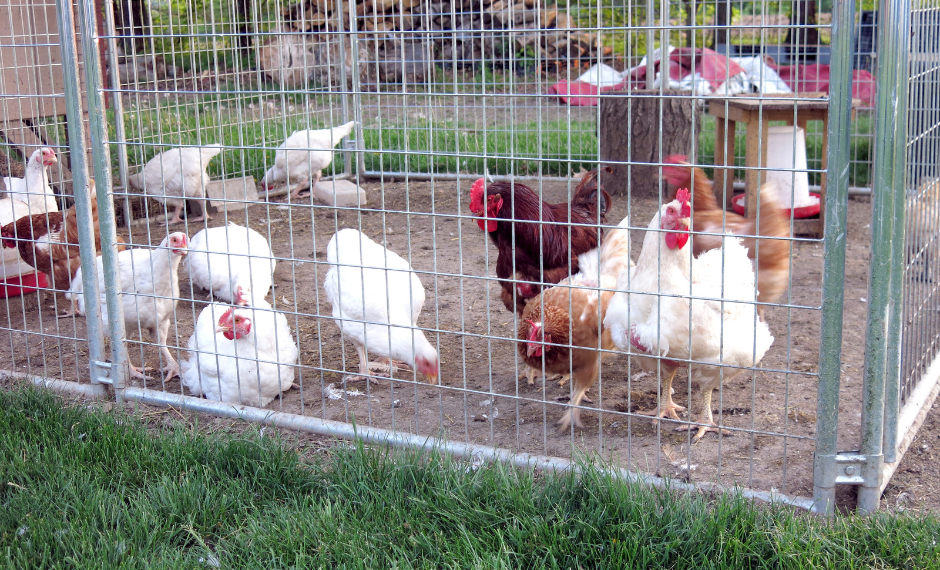
One of the most common mistakes people make is underestimating how much space their chickens actually need. Product listings often advertise a coop as suitable for a certain number of birds, but those numbers can be misleading. A metal chicken coop marketed for eight hens may offer only the bare minimum floor space, leading to stress, aggression, and lower egg production.
As a general rule, each standard-sized chicken needs at least 4 square feet of interior coop space and around 10 square feet of outdoor run space. Bantam breeds need slightly less, while larger breeds like Jersey Giants need more. Before you order, calculate your flock size and then add a 20 to 30 percent buffer. Flocks tend to grow, and it’s far better to have extra room than to scramble for a second coop later.
Also, check the actual interior dimensions listed in the product specs, not just the headline claim. Look for the number of nesting boxes and roosting bar length, too. A well-sized coop, such as this one from Vevor or other similar ones with adequate roosting space, can keep chickens calmer.
2. How to Tell if a Metal Coop Is Actually Durable
Not all metal chicken coops are built the same. Some may look sturdy in photos but use thinner or untreated steel that doesn’t hold up well over time, especially with rain, humidity, and sun exposure.
Instead of getting too caught up in technical details, look for coops described as heavy-duty or rust-resistant, and check reviews to see how they actually perform outdoors.
One spec that’s worth a quick glance is the metal gauge. Lower numbers mean thicker, stronger metal. For most coops, something in the 20–26 gauge range is a good sign of durability, while thinner metal can dent more easily and wear down faster at the seams.
Galvanized Steel vs. Powder-Coated Steel
These are the two finishes you’ll see most often when shopping for metal chicken coops, and they both have their benefits.
Galvanized steel is treated to resist rust, which makes it a great option if your coop will be exposed to rain or humidity. It’s typically the more durable choice for long-term outdoor use, though it has a more basic, industrial look.
Powder-coated steel has a smoother, more finished appearance and tends to resist scratches better than standard paint. However, if that coating gets chipped, the metal underneath can be more prone to rust, especially if it isn’t also galvanized.
If possible, look for a coop that combines both: galvanized steel with a powder-coated finish. That gives you strong protection against the elements along with a cleaner, more polished look that holds up over time.
3. Predator-Proofing Features
Predators are a real and constant threat to backyard flocks. Foxes, raccoons, weasels, and even dogs can breach a poorly constructed coop with surprisingly little effort. Before you order any coop online, take a close look at its predator-proofing features, not just its overall design.
Start with the wire mesh. Many online coops use chicken wire, which is designed to keep chickens in, not to keep predators out. Raccoons can tear through chicken wire with their paws, and weasels can squeeze through gaps as small as an inch. A far stronger option is hardware cloth with openings no larger than half an inch. Check the product description carefully to confirm what type of mesh the coop uses.
Next, examine the door and latch mechanisms. A raccoon can open simple slide bolts or hook-and-eye latches, especially with repeated attempts. Look for coops with secure, two-step locking systems on both the main access door and the chicken pop door. Also check whether the base of the coop is fully enclosed or raised off the ground with an apron or skirt to prevent animals from digging underneath.
Just like protecting plants in your garden, keeping chickens safe often comes down to using the right materials and closing off small gaps predators can exploit.
4. Climate Compatibility and Ventilation Design
Metal conducts heat and cold far more efficiently than wood, which means climate compatibility is something you need to take seriously before ordering. A coop that works well in a mild Pacific Northwest climate may create dangerous heat levels in a Texas summer or freeze your flock in a Minnesota winter.
For hot climates, prioritize coops with large, covered ventilation openings on multiple sides. Cross-ventilation helps regulate internal temperature and removes moisture that builds up from the birds’ breath and droppings. Look for adjustable vents so you can control airflow based on the season. Shade placement also matters, so think about where you’ll position the coop in your yard before you order.
For cold climates, you want a coop with enough insulation potential. Many metal coops are single-walled, which means you may need to add insulation panels inside during winter. Check whether the product allows for interior modifications. Also, look for coops with ventilation that sits near the roofline rather than at bird level, which lets stale air escape without creating a cold draft directly on your flock.
Good ventilation design isn’t just about temperature. It also prevents ammonia buildup from droppings, which can damage your chickens’ respiratory systems over time. A well-ventilated coop keeps air fresh, reduces disease pressure, and makes the overall environment much healthier for your birds.
5. Assembly Requirements and Ease of Setup
Online product listings often make assembly look straightforward, but the reality can be very different once the boxes arrive. A metal coop that requires two people, specialized tools, or hours of frustrating trial and error is worth knowing about before you commit to a purchase.
Start by reading the assembly instructions if the seller provides them in the listing or on their website. Look at the number of parts and the types of fasteners involved. Coops that use pre-drilled holes, labeled panels, and standard screws are generally easier to set up than those with generic hardware and poorly translated instructions.
Check customer reviews specifically for assembly feedback. Reviewers who mention the setup process give you an honest picture of what to expect. Look for patterns: if multiple reviews mention missing parts, confusing steps, or warped panels, treat that as a serious warning sign.
Also consider the shipping format. Large metal coops often arrive in multiple flat-pack boxes. Find out the total shipment weight, whether the seller provides lift-gate delivery, and how many boxes are in the order. If you live alone or don’t have help available, look for coops specifically designed for single-person assembly. Some products even offer pre-assembled sections that significantly cut down setup time.
If you’re just getting started, it’s worth choosing something slightly larger and more durable than you think you need. You’ll save yourself time, money, and upgrades later!
Buying a metal chicken coop online doesn’t have to be a guessing game. By taking the time to evaluate size, metal quality, predator protection, climate performance, and assembly requirements, you put yourself in a strong position to choose a coop that serves your flock for years. Do your research, read real customer reviews, and compare product specs carefully. The right coop is out there: you just need to know what to look for before you order.