If you garden in an area with deer, rabbits, or groundhogs, you already know how frustrating it can be to watch plants disappear overnight. After losing enough hostas and young garden plants to browsing, I realized I needed to stop reacting plant by plant and start thinking about a more intentional deer proof garden plan. This is especially true in my vegetable and flower garden!
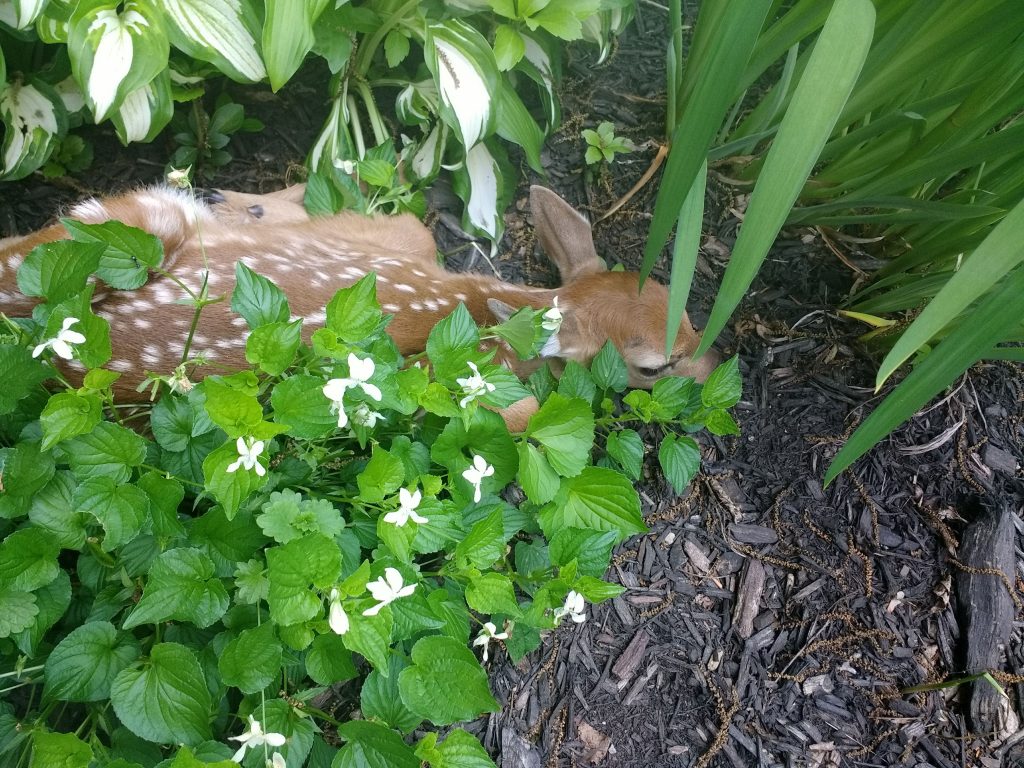
I have been trying different non-fence deterrents over the years, and some work better than others. This year I’m adding in a no dig garden fence setup. I have learned a lot watching our deer behavior over the years, so I’m continually experimenting to see what type of affordable fence setup we could get that would be effective and not hard on the eyes!
Instead of jumping straight to a tall, permanent fence, I’m taking a layered approach to deer proofing a garden, combining deterrents, temporary fencing, and thoughtful planning that can grow over time. I would prefer not to create a fortress, but to protect what I’m growing without sacrificing the enjoyment of our yard and garden.
Below, I’m sharing realistic deer-proof garden ideas that help reduce or eliminate damage while allowing flexibility as your vegetable or potager garden expands!
Why a Layered Approach Works for Deer Proofing a Garden
One of the biggest lessons I’ve learned is that there’s no single solution that completely deer-proofs a garden for every gardener (aside from that 8 foot fence, that is!) Deer adapt quickly, and what works amazing in one yard may only partially work in another.
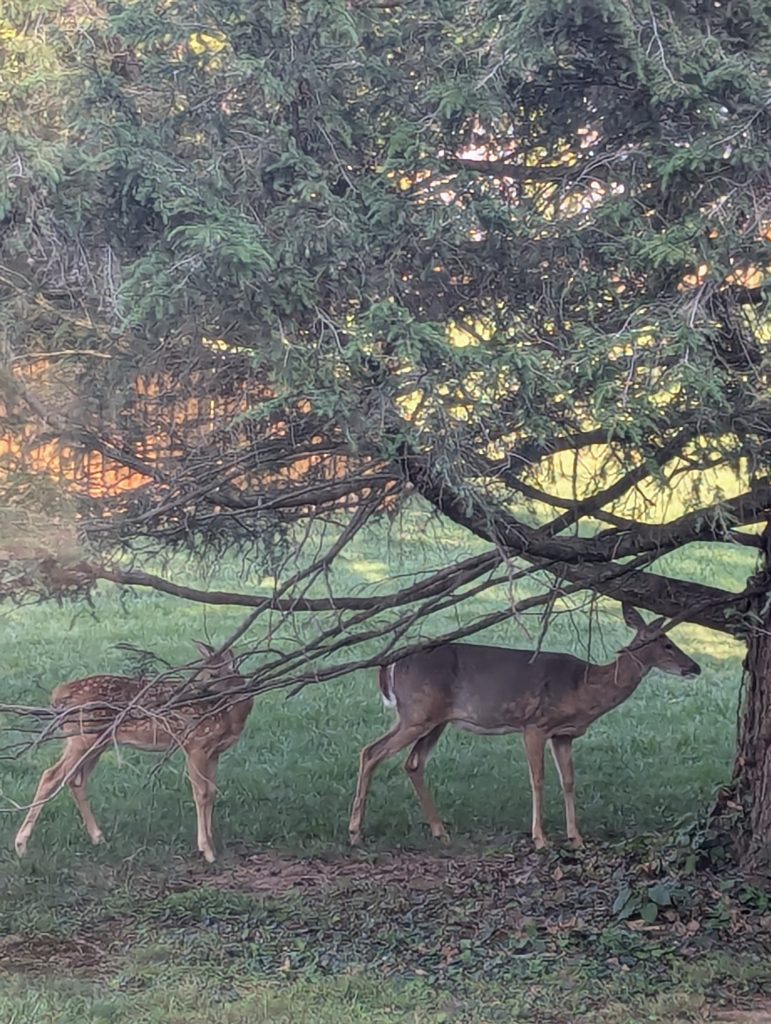
Rather than relying on one method, I’m combining physical barriers, motion deterrents, and scent-based repellents to make my garden less appealing overall. This layered approach is especially helpful for anyone looking for cheap or DIY deer-proof garden solutions that can be adjusted over time. We are 4 months into this garden season, and I am having success! I’m excited to share what’s working!
Motion-Activated Sprinklers & Solar Deterrents
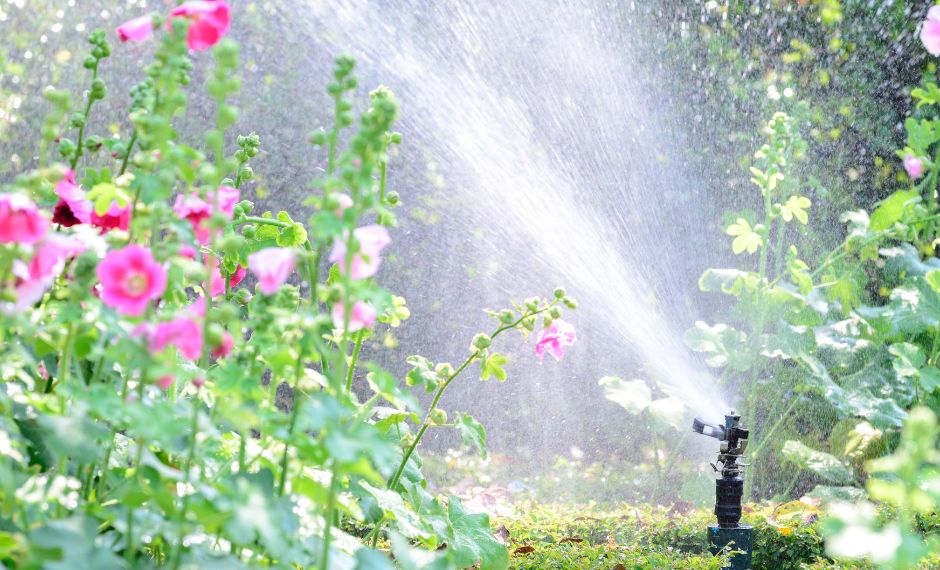
A close friend of mine has had great luck using motion-activated sprinklers to deter deer. She finds they work so well for her, she doesn’t need fencing! I have not yet tried them in my own deer-proof garden setup, but I definitely wanted to share based on her great results!
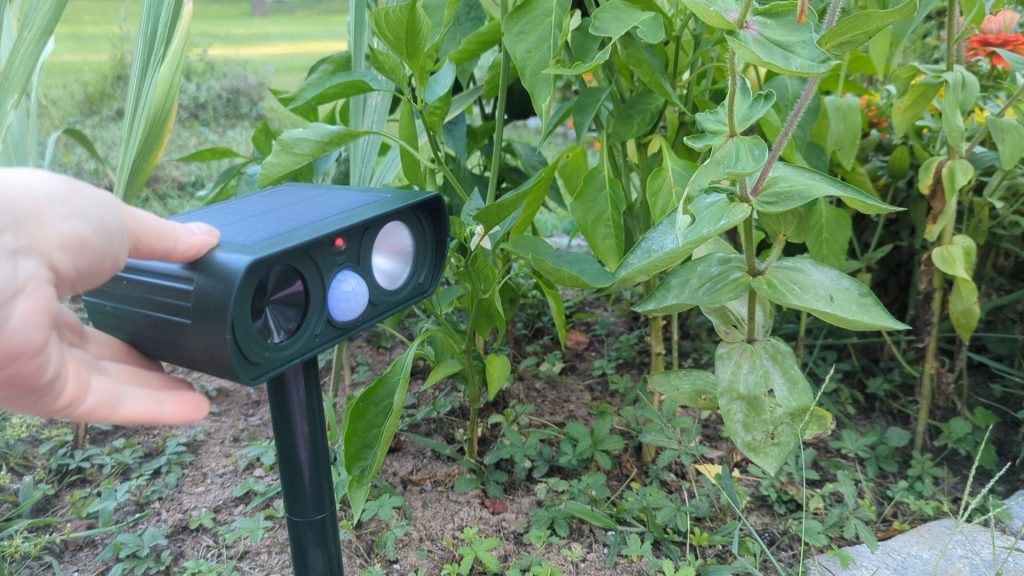
I do use the solar repellent deterrents, and I found they were not a sure thing for deer, but great as a layer of protection. They do help with rabbits, and even this year they are great to have for startling the little critters that can squeeze through the garden fence for a snack!
I would say they aren’t guaranteed, but the sudden movement, sound (and getting wet!) can be effective at startling deer and discouraging repeat visits. Plus, they are so easy and affordable to set up!
Deer Spray: Effective for Some Plants, But Not Practical for Large Gardens
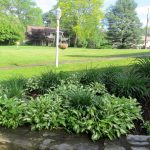
Deer spray has worked well for me on specific plants like hostas and hydrangeas, especially early in the season. When applied consistently, it can help protect plants deer typically browse first.
However, deer spray does require frequent reapplication, especially after rain… and remembering to reapply isn’t always my strong suit, sadly.
There are also deer repellents designed to cover larger areas, like hose-end or concentrate formulas that can be sprayed across an entire garden at once. These types of products are more efficient than hand-spray bottles when you’re protecting a bigger space.
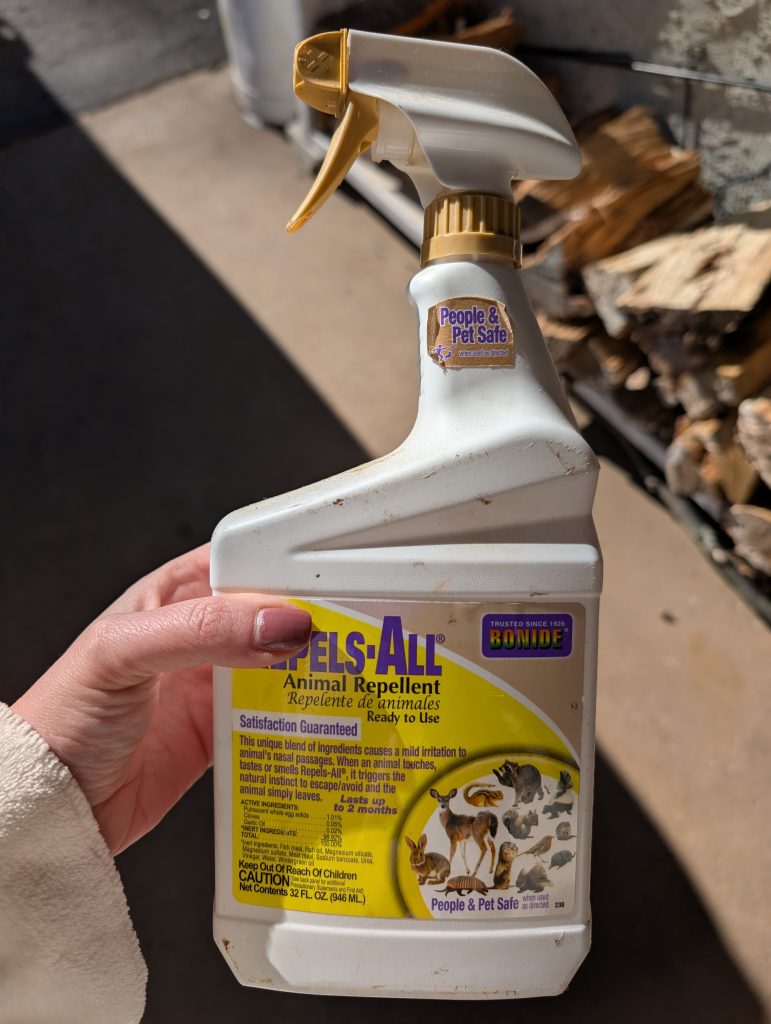
I’ve also found that while it’s useful for individual plants, it’s not practical for deer proofing a large or expanding garden. I tried Deer SCRAM as my main method one garden season…and my garden was completely decimated because I just couldn’t stay on top of reapplication!
For me, sprays work best as a supplement alongside fencing and other deterrents, rather than as a primary, long-term solution.
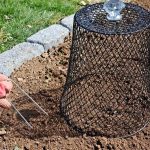
For individual plants that need extra protection early on, I’ve also used simple DIY solutions like DIY Dollar Tree garden cloches, which can help buy time while a larger deer-proof garden plan comes together. They are also amazing for rabbit and squirel protection!
Using a Low, Moveable Fence for a DIY Deer-Proof Garden
To protect plants more consistently this year, I enclosed my garden with a medium height, metal no-dig fence.
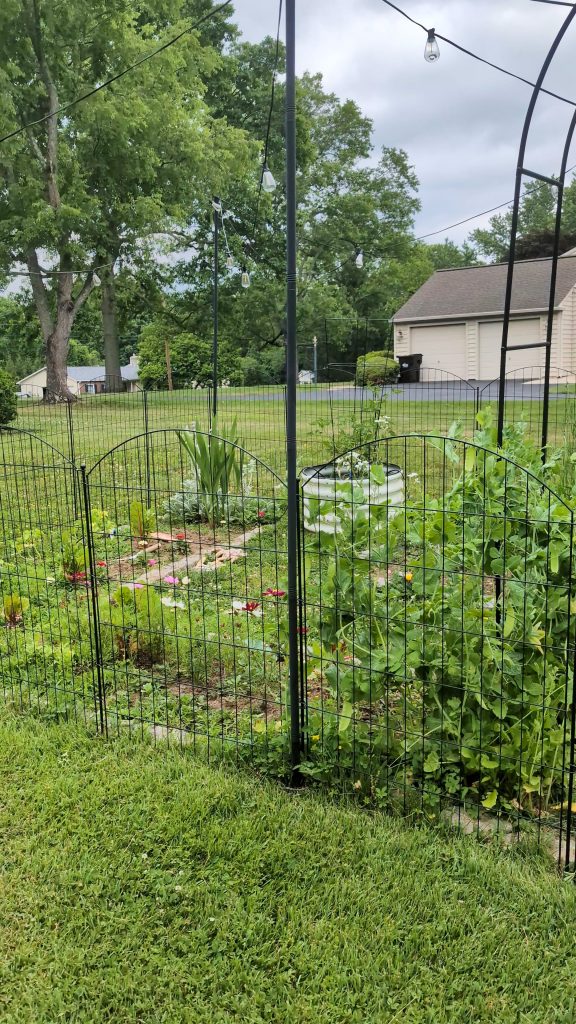
This type of fencing works well for a DIY deer-proof garden because it’s attractive, sturdy, affordable, reusable, and easy to reconfigure as needed! I tried two different brands in the style I liked, and they were both great. So easy to install I was able to quickly do it myself.
I wanted a garden fence that looks nice in the yard that can also:
- Move as beds expand
- Protect new planting areas
- Be reused season after season
This makes it easier to deer-proof a garden without committing to a permanent fence too early!
Adding Visual Height Without a Tall Deer-Proof Fence
Okay, how in the world am I trying to protect from deer with a measly 40″ fence you ask? Well, I tried it out this year along with some things hanging above to make the barrier seem larger.
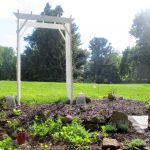
To avoid the apperance or expense of a tall barrier, I added light poles above the fence line to create visual height. These poles can even have hooks for lanterns or baskets to further add to that visual barrier. Deer don’t like hitting things when they jump, so I’m hoping to capitalize on that in my garden plan.
It’s the end of June now, and so far it’s working really well! I am going to keep updating this post through September on how the deer respond!
Height above fencing helps:
- Make deer less comfortable crossing
- Reduce the need for an extremely tall fence
- Keep the garden feeling open and intentional
This approach can hopefully work well for anyone trying to deer proof a garden without building a fortress.
Incorporating an Affordable Metal Arbor With a Gate
I’m also planning next season to splurge to incorporate an affordable metal arbor with a gate as part of the fencing layout! I think it’s pretty, and just adds even more height and variables!
It’s a great option for gardeners who want affordable deer proof garden ideas that balance function and design.
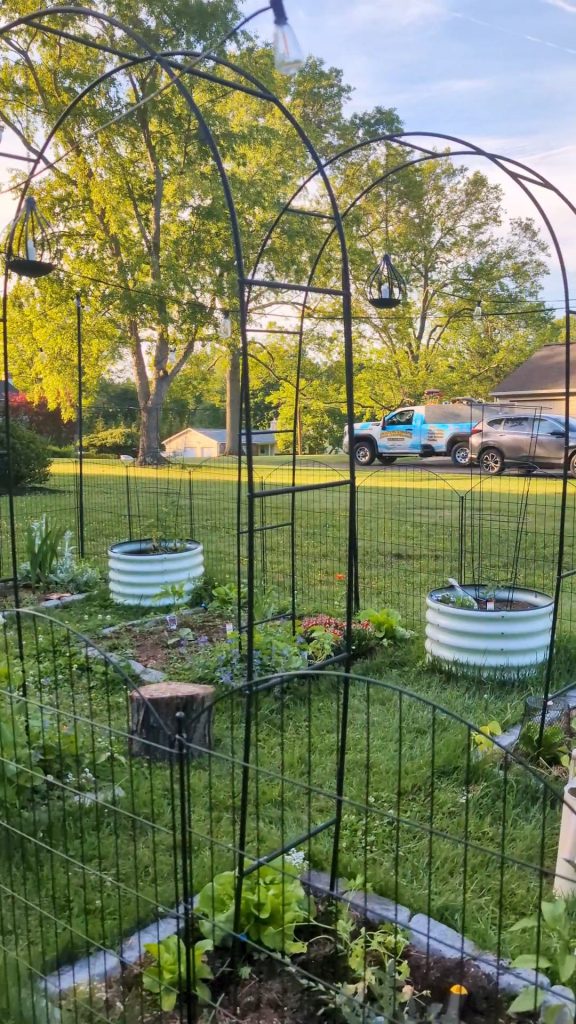
This year, I actually picked up a couple of these budget friendly garden arbors to make a tunnel inside my garden! I think this helps because it further breaks up the space inside, and makes it far less comfortable to jump!
Planning a Deer Proof Garden That Grows in Sections
Right now, my garden is only about a quarter of my dream garden size, so I really want a solution that’s easy to rearrange over time as my kids grow! I’m expanding it in phases, so I can adjust layouts and protection methods as I learn what works!
By using fencing and deterrents that can move and expand, it’s easier to:
- Protect young plants
- Adapt to increased deer pressure
- Avoid rebuilding later
This phased approach works especially well for anyone searching for deer proof garden plans that aren’t all-or-nothing. I’m happy with how this set-up is going, and its way less involved and expensive than the permanent dream fence!
How to Deer Proof a Garden When You’re Just Starting Out
If you’re overwhelmed by deer damage like I have been over the years, here’s what has really helped:
- Start with deterrents to reduce browsing, especially on favorites!
- Protect the most vulnerable plants first, (cloches are great for lettuce and smaller plants!)
- Use fencing that can move and expand (try adding visual height like lights to a lower fence, it’s helping so much!)
- Expect to adjust over time as you learn about your local deer
You don’t need a perfect system on day one. A flexible approach makes it much easier to deer proof a garden realistically.
Final Thoughts on Deer Proof Garden Planning
Deer proofing a garden isn’t about eliminating wildlife, it’s about protecting your plants well enough that gardening stays enjoyable. By combining deterrents, fencing, and thoughtful planning, it’s possible to create a deer-resistant garden that evolves over time.
I’ll continue updating this post as the season progresses and I continue seeing how these strategies hold up!