
This article was contributed by Maria Lively as a helpful guide for homeowners considering brick veneer. If you’re planning an exterior update or looking to add warmth and architectural character to your home, understanding the different types of brick veneer can help you choose the right option for your project!
Brick can add warmth, texture, and architectural character to a home. It works with traditional, modern, farmhouse, craftsman, and industrial designs, making it one of the most adaptable exterior materials available.
However, not every brick veneer is the same. Some products use full-size bricks installed as a separate exterior wall, while others use thin slices of brick attached directly to a prepared surface. There are also panel systems, reclaimed brick products, and concrete alternatives designed to resemble traditional clay brick.
The best option depends on where the brick will be installed, the style of the property, the available budget, and the level of structural work required. Understanding the differences can help you choose a brick veneer that looks appropriate and performs well over time.
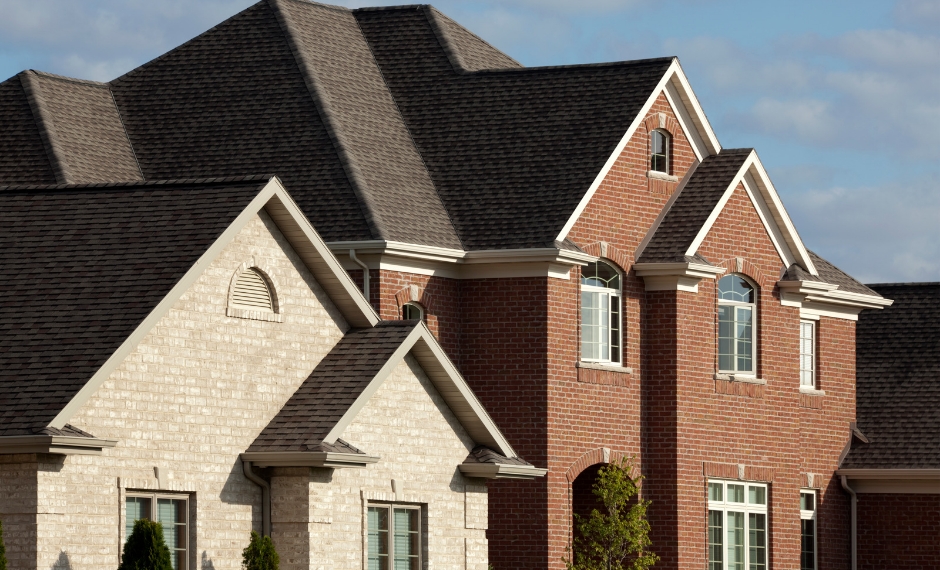
Understand the Main Types of Brick Veneer
The term “brick veneer” can refer to several different products and installation methods. The most common options include:
- Thin brick veneer
- Full-depth brick veneer
- Brick veneer panels
- Reclaimed brick veneer
- Clay brick veneer
- Concrete brick veneer
Each option offers a different balance of appearance, weight, cost, installation requirements, and long-term performance.
Before choosing a material, browse several brick veneer suppliers to compare colors, textures, profiles, and finishes. Seeing different options side by side can help you find a style that complements your home’s architecture and existing materials.
Before selecting a product, consider whether the project involves new construction, an exterior renovation, an interior feature wall, or a smaller architectural detail. A material that works well around a fireplace may not be the best choice for covering an entire exterior facade.
Thin Brick Veneer
Thin brick veneer is made from real brick that has been manufactured or cut into slim pieces. It provides the color, texture, and surface appearance of traditional brick without the weight of full-size masonry.
Because thin brick does not require the same structural support as full-depth brick, it can often be installed over prepared concrete, masonry, cement board, or another approved surface. This makes it a practical option for many renovations and remodeling projects.
Thin brick veneer can be used on:
- Exterior walls
- Front entrances
- Porch columns
- Chimneys
- Fireplace surrounds
- Kitchen backsplashes
- Interior feature walls
- Commercial facades
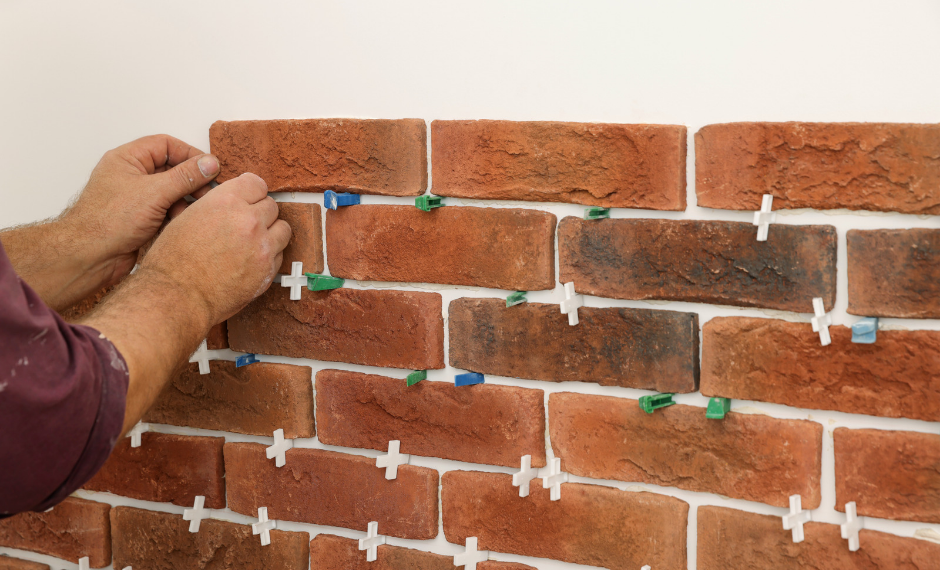
One of its main advantages is flexibility. It can be added to selected areas without rebuilding the wall or foundation.
Thin brick is often a strong choice when you want the appearance of traditional masonry but need a lighter material. It can also be useful when space is limited because it does not project as far from the wall as full-size brick.
The finished result depends heavily on surface preparation, moisture protection, mortar selection, and joint finishing. When installed according to the manufacturer’s specifications, thin brick can closely resemble a traditional brick wall.
Full-Depth Brick Veneer
Full-depth brick veneer uses standard-size bricks to create a non-structural exterior layer. The brick is usually installed in front of the main framed or masonry wall, with an air space and drainage system between the two surfaces.
Although the brick does not support the building, it still requires a suitable foundation, shelf angle, or structural ledge. This makes full-depth veneer easier to include during new construction than during a simple exterior renovation.
Full-depth brick veneer offers several benefits:
- A traditional masonry appearance
- Strong visual depth
- Long-term durability
- Natural variation between individual bricks
- Greater resistance to minor surface impact
- A substantial, permanent appearance
This type of veneer is often best for new homes, major additions, or renovations where the structure can support the weight.
It may not be practical for every existing property. Adding full-depth brick to a finished home can require changes to the foundation, window details, flashing, roof connections, and exterior openings.
For projects where structural support is already available, full-depth clay brick veneer can provide an authentic appearance that remains attractive for many years.
Brick Veneer Panels
Thin brick veneer is made from real brick that has been manufactured or cut into slim pieces. It provides the color, texture, and surface appearance of traditional brick without the weight of full-size masonry.
Because thin brick does not require the same structural support as full-depth brick, it can often be installed over prepared concrete, masonry, cement board, or another approved surface. This makes it a practical option for many renovations and remodeling projects.
Thin brick veneer can be used on:
- Exterior walls
- Front entrances
- Porch columns
- Chimneys
- Fireplace surrounds
- Kitchen backsplashes
- Interior feature walls
- Commercial facades
One of its main advantages is flexibility. It can be added to selected areas without rebuilding the wall or foundation.
Thin brick is often a strong choice when you want the appearance of traditional masonry but need a lighter material. It can also be useful when space is limited because it does not project as far from the wall as full-size brick.
The finished result depends heavily on surface preparation, moisture protection, mortar selection, and joint finishing. When installed according to the manufacturer’s specifications, thin brick can closely resemble a traditional brick wall.
Full-Depth Brick Veneer
Full-depth brick veneer uses standard-size bricks to create a non-structural exterior layer. The brick is usually installed in front of the main framed or masonry wall, with an air space and drainage system between the two surfaces.
Although the brick does not support the building, it still requires a suitable foundation, shelf angle, or structural ledge. This makes full-depth veneer easier to include during new construction than during a simple exterior renovation.
Full-depth brick veneer offers several benefits:
- A traditional masonry appearance
- Strong visual depth
- Long-term durability
- Natural variation between individual bricks
- Greater resistance to minor surface impact
- A substantial, permanent appearance
This type of veneer is often best for new homes, major additions, or renovations where the structure can support the weight.
It may not be practical for every existing property. Adding full-depth brick to a finished home can require changes to the foundation, window details, flashing, roof connections, and exterior openings.
For projects where structural support is already available, full-depth clay brick veneer can provide an authentic appearance that remains attractive for many years.
Brick Veneer Panels
Brick veneer panels combine several brick faces into larger sections. Depending on the product, the panels may be made from real thin brick, concrete, polyurethane, or another manufactured material.
Panel systems are designed to make installation faster and help maintain consistent spacing. Some products include interlocking edges that reduce visible seams between sections.
Brick panels may work well for:
- Interior walls
- Small exterior features
- Retail spaces
- Basement renovations
- Temporary design updates
- Projects with limited installation time
The main advantage is convenience. Covering a large area with panels can be faster than placing individual brick pieces.
However, quality varies significantly between products. Lower-quality panels may have repeated textures, visible seams, unrealistic coloring, or limited weather resistance.
For an exterior application, confirm that the panel is approved for outdoor use and suitable for local temperature changes, moisture, sunlight, and freeze-thaw conditions. Interior decorative panels should not automatically be used outside.
Reclaimed Brick Veneer
Reclaimed brick veneer is produced from older bricks that have been recovered from demolished buildings or renovation projects. The bricks may be cut into thin faces so they can be installed like standard thin brick.
This option can give a home a weathered and distinctive appearance. Variations in color, worn edges, surface marks, and age can create character that can be difficult to reproduce with new material.
Reclaimed brick veneer may complement:
- Historic homes
- Farmhouse-style properties
- Industrial interiors
- Rustic kitchens
- Traditional fireplaces
- Renovated commercial buildings

Because reclaimed products come from different sources, their appearance can vary considerably. One batch may include deep red and brown tones, while another may contain softer orange, cream, gray, or black shades.
Availability can also be limited. It is important to order enough material for the full project, including extra pieces for cuts, damage, and future repairs.
Reclaimed brick should be inspected before installation. Older material may have cracks, residue, inconsistent thickness, or previous coatings that affect how it bonds to the wall.
When properly prepared and installed, reclaimed veneer can be a strong option for a project that needs an aged or historic appearance.
Clay Brick Veneer
Clay remains one of the most common materials for both thin and full-depth brick veneer. It is made from natural clay that is shaped and fired at high temperatures.
Clay brick is valued for its:
- Natural color variation
- Traditional appearance
- Resistance to fading
- Long service life
- Heat resistance
- Range of textures and sizes
The color of clay brick comes largely from the clay mixture and firing process rather than a surface coating. This means the material can maintain its appearance even when the surface experiences normal wear.
Clay brick is available in smooth, wire-cut, tumbled, glazed, sand-faced, and handmade-style finishes. These options allow it to complement many architectural designs.
For many exterior projects, thin clay brick provides a good balance between authentic appearance and manageable installation requirements. Full-depth clay brick may be more appropriate for new construction where structural support is available.
Concrete Brick Veneer
Concrete brick veneer is manufactured from cement, aggregates, pigments, and other materials. It is formed to resemble traditional brick and may be available as individual pieces or larger panels.
Concrete products can offer a broad range of colors, shapes, and textures. They may also be more accessible in areas where certain clay brick styles are difficult to source.
Potential advantages include:
- Wide design selection
- Consistent sizing
- Availability in custom colors
- Compatibility with panel systems
- Options for both interior and exterior use
However, concrete and clay do not always age in the same way. Some concrete products may experience surface fading, minor color changes, or visible wear over time.
Water absorption and freeze-thaw performance should also be considered, especially in colder climates. The product should be rated for the intended application and local weather conditions.
Concrete brick veneer can be suitable when budget, color selection, or installation format is the main priority. Clay may be preferable when a more traditional and naturally varied appearance is important.
Match the Brick to the Architectural Style
The best brick veneer should look connected to the architecture rather than added as a separate decorative layer.
Traditional homes often work well with red, brown, tan, or mixed-color brick. Tumbled edges, textured surfaces, and classic mortar joints can reinforce a familiar residential appearance.
Modern homes may benefit from longer brick formats, cleaner edges, simple installation patterns, and more controlled color palettes. White, gray, charcoal, black, and muted earth tones can complement metal, glass, wood, and smooth siding.
Farmhouse-style properties may suit whitewashed brick, soft red brick, reclaimed finishes, or neutral tones paired with timber details and dark-framed windows.
Craftsman homes often work well with warm brick colors around porch columns, steps, lower walls, and entrances. The brick can help give these architectural features more visual weight.
Industrial interiors commonly use reclaimed or dark red brick to create texture and contrast. Thin brick is often useful in these spaces because it can be installed without significantly reducing the room’s usable space.
Consider Where the Brick Will Be Installed
The location of the project can help determine which type of veneer is most appropriate.
For an entire exterior wall, full-depth brick may be suitable when the structure has the required support. Thin clay brick can be a practical alternative for an existing home where adding significant weight would be difficult.
For porch columns, entrance walls, and lower facade sections, thin brick can provide a strong visual effect without covering the entire building.
For fireplaces, verify that the brick, mortar, adhesive, and backing materials are approved for the expected heat exposure. A product designed only for decorative walls may not be suitable near a firebox or another high-temperature area.
For kitchen backsplashes and interior feature walls, thin brick or quality brick panels may be easier to install and maintain. These areas usually do not require the same drainage systems as an exterior wall, but surface preparation is still important.
For chimneys, exterior fireplaces, and exposed garden walls, choose a product designed for moisture, temperature changes, and outdoor conditions.
Think About Climate and Moisture
Exterior brick veneer must be installed as part of a complete wall system. The visible brick is only one part of the assembly.
Moisture can enter through mortar joints, openings, roof connections, windows, and other exterior details. Proper flashing, drainage, ventilation, and water-resistant barriers help direct that moisture away from the structure.
In colder climates, freeze-thaw resistance is especially important. Water absorbed by unsuitable materials can expand when it freezes, potentially causing cracks, surface damage, or deterioration.
Ask whether the brick is rated for the local climate and intended exposure. Exterior products should be selected based on performance requirements, not appearance alone.
Full-depth brick walls typically include an air space and drainage details behind the masonry. Adhered thin brick systems require approved membranes, flashing, mortar, and installation methods.
Good moisture management protects both the brick veneer and the wall behind it.
Choose the Right Color and Texture
Brick can influence the entire exterior color palette. Because it is often a long-term feature, it should coordinate with the roof, siding, windows, doors, trim, and landscaping.
The same principle applies to interior projects, where coordinating colors, materials, and finishes can help create a cohesive look. You can see an example in our Our DIY Kitchen Remodel Before and After.
Red and brown brick can create a traditional and warm appearance. Cream, tan, and white brick may feel lighter and work well with contemporary or farmhouse designs.
Gray and charcoal brick can create a more modern look, especially when paired with black windows, metal accents, or natural wood.
Mixed-color brick provides more flexibility because its different undertones can connect several exterior materials. However, heavily varied brick may appear too busy when combined with patterned roofing or several siding colors.
Texture also affects the result. Smooth brick tends to look cleaner and more contemporary. Tumbled or distressed brick creates a softer and more aged appearance. Rough or handmade-style surfaces can add stronger shadow lines and visual depth.
View samples outdoors before making a final decision. Natural and artificial lighting can change how the brick and mortar colors appear.
Do Not Overlook the Mortar
Mortar color and joint style can change the appearance of brick veneer almost as much as the brick itself.
Light mortar creates stronger contrast around dark brick and makes the individual units more noticeable. Dark mortar can create a more blended appearance when used with brown, gray, or black brick.
Mortar that is close to the brick color produces a quieter and more uniform wall. Contrasting mortar creates a clearer pattern.
Joint styles also affect shadow, texture, and water performance. Common options include concave, flush, raked, and weathered joints.
The right choice depends on the brick profile, architectural style, and installation system. Exterior mortar joints should be selected for both appearance and performance.
Reviewing a sample panel before full installation can help confirm that the brick, mortar, and joint combination creates the intended result.
Compare Installation Requirements
Installation difficulty varies between veneer types.
Full-depth brick usually requires experienced masonry work, structural support, drainage details, wall ties, flashing, and carefully planned openings.
Thin brick requires less structural support but still needs proper surface preparation. The wall must be stable, clean, and compatible with the selected bonding and moisture-control system.
Individual thin bricks allow more control over color distribution and pattern placement. Panel systems may install faster but can make seams or repeated patterns more noticeable.
Corners also require planning. Purpose-made corner pieces can help thin brick look more like full-depth masonry by hiding exposed edges.
Before choosing a product, consider how windows, doors, electrical fixtures, vents, trim, and roof connections will be finished. These details strongly influence whether the completed veneer looks natural.
Balance Appearance, Performance, and Budget
The lowest-cost brick veneer is not always the best value. A cheaper material may require more maintenance, provide a less realistic appearance, or perform poorly in an exposed location.
At the same time, full-depth brick may be unnecessary for a small interior feature or decorative entrance wall.
For many renovations, thin clay brick offers a practical combination of authentic texture, lower weight, design flexibility, and long-term appeal.
With new construction, full-depth clay brick veneer may be the strongest choice when the goal is a traditional masonry exterior and the structure can support it.
On quick interior projects, brick panels may offer a simpler installation. Reclaimed brick can provide distinctive character, while concrete products may offer broader color choices and a lower initial cost.
The best option is the one that fits the specific wall, climate, architectural style, and installation requirements.
Final Thoughts
There is no single type of brick veneer that is best for every home. Thin brick works well for many remodeling projects because it provides the appearance of real masonry without the weight of full-size brick. Full-depth veneer is often a strong choice for new construction, while panel systems can be useful for smaller or faster installations.
Material also matters. Clay brick generally provides an authentic appearance, natural variation, and dependable long-term performance. Concrete veneer may offer greater design flexibility, while reclaimed brick can add aged character to traditional, rustic, and industrial spaces.
Before selecting a product, consider the architecture, location, climate, wall construction, mortar color, and installation system. A carefully chosen brick veneer should feel connected to the property and improve its appearance without overwhelming the existing design.
When the material and installation method are selected thoughtfully, brick veneer can create a warm, substantial, and lasting finish for both exterior and interior spaces.